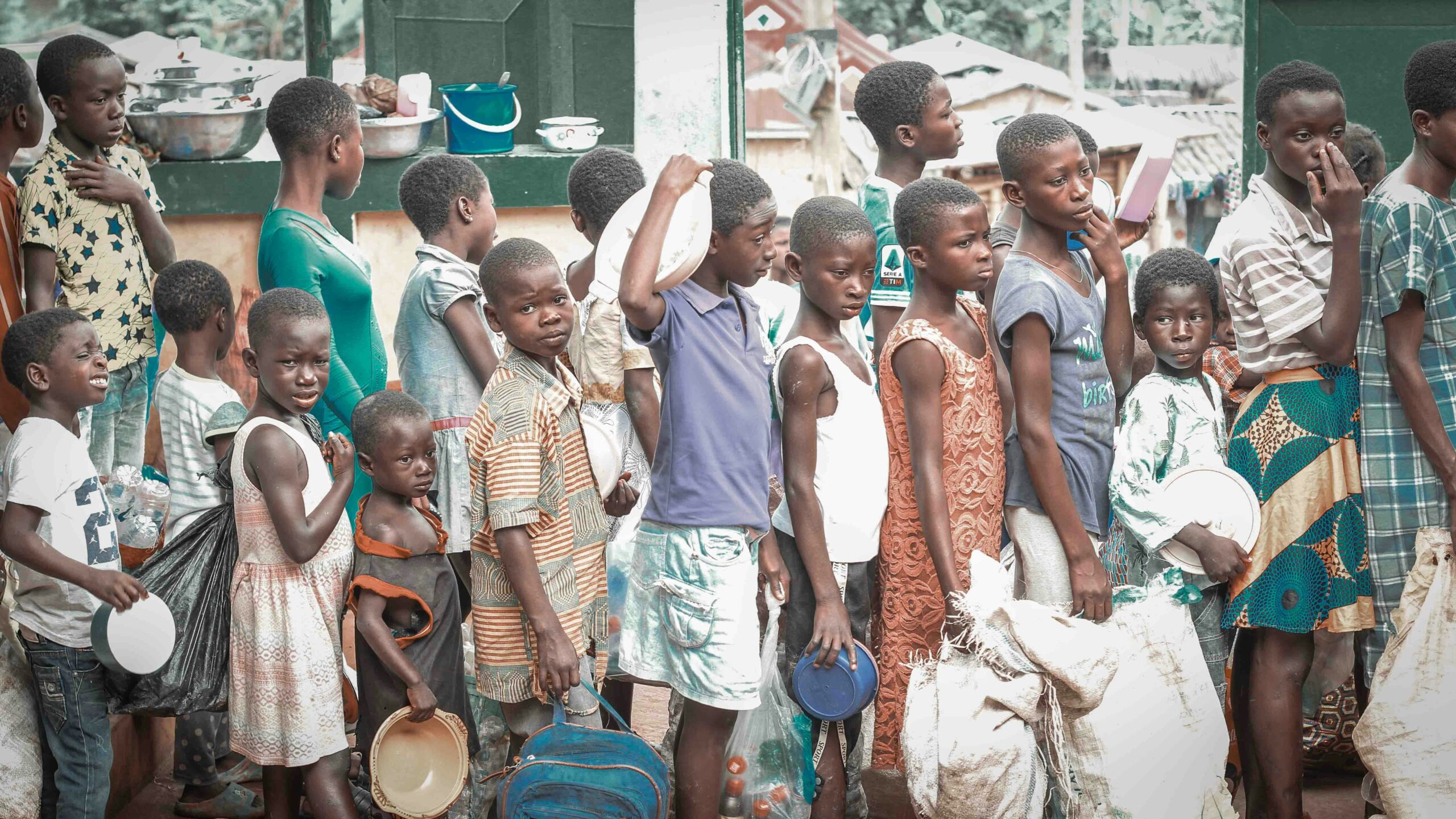
Africa’s largest crises are driven by conflict, displacement, hunger and disease outbreaks, and funding is falling short everywhere. In Sudan, 33.7 million people need help and nearly 14 million are displaced, inside the country and abroad, with famine risk in Darfur and Kordofan.
In DRC, 14.9 million people need assistance and more than 5.3 million are internally displaced, and the UN raised its 2026 appeal to $2.3 billion to include the Ebola response.
South Sudan has more than 10 million people in need, and it has had its largest cholera outbreak on record, with over 96,000 cases. UN agencies rank Sudan, South Sudan, Somalia and northeast Nigeria among the hotspots at immediate risk of famine.
In the Sahel, 24.3 million people need aid, 5.8 million are forcibly displaced, and 15.4 million are expected to face acute food insecurity between June and August 2026.
In Ethiopia, FEWS NET projects 15 to 15.9 million people in Crisis or Emergency levels of food insecurity by July 2026, with 1.1 million refugees and 1.9 million internally displaced people.
In northern Mozambique, about 1.1 million people need aid, including 919,000 in Cabo Delgado, and the response plan was only 29 percent funded by June.
The most urgent needs are emergency food and nutrition, cholera, Ebola and measles control with safe water and sanitation, protection from violence, especially for displaced women and children, shelter and basic health care for displaced families, and safe humanitarian access. Drought and a strengthening El Niño add to the risk. El Niño is expected to worsen needs in southern and central Mozambique, and below-normal rainfall is likely across parts of Ethiopia. Early warning and anticipatory action are therefore also priorities